
Getting into a car accident is stressful enough without having to deal with repair costs, insurance paperwork, and time away from your vehicle. Whether it is a small parking lot dent or more serious collision damage, understanding how the repair process works can help Minneapolis drivers make smarter decisions and avoid bigger problems later.
In Minneapolis, icy roads, snow buildup, and reduced visibility make accidents especially common during winter. Even relatively minor collisions can affect more than just your vehicle’s appearance. Hidden problems involving alignment, suspension, tires, or transmission performance may appear days after the accident.
That is why many local drivers choose professional inspections and repair services from DC Auto Care after a collision. Proper repairs help restore vehicle safety, performance, and long-term reliability.
Every collision affects a vehicle differently. Sometimes the damage is obvious immediately, while in other cases hidden issues only become noticeable after a detailed inspection.
Some of the most common collision-related repairs include:
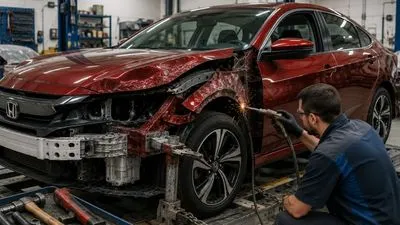
Drivers throughout Minneapolis often rely on professional Auto Body Collision Repair Minneapolis services to repair accident damage and restore their vehicle’s original condition safely.
One of the first questions most drivers ask after an accident is: “How much is this going to cost?”
The answer depends on several important factors.
According to the National Highway Traffic Safety Administration Winter Driving Guide , winter road conditions significantly increase accident risks during colder months.
.webp)
Many drivers have never gone through collision repair before, so the process can feel confusing at first. Professional repair shops usually follow several important steps.
In many post-collision cases, technicians also recommend checking wheel alignment and tire balancing because even smaller impacts can affect steering stability and tire wear.
Drivers experiencing vibration or uneven handling after an accident often benefit from Tire Rotation & Balance Minneapolis services to improve vehicle stability and driving comfort.
Collision damage can affect more than just your vehicle’s exterior appearance. In many cases, hidden mechanical issues appear days after the accident.
Common post-collision mechanical problems include:
If your vehicle feels different after a collision, especially during acceleration or shifting, it may be worth scheduling an inspection through Transmission Repair & Replacement Minneapolis services before the damage becomes more expensive.
Repair timelines depend on the severity of the damage and parts availability.
Smaller cosmetic repairs may take only a few days, while larger repairs involving structural work or insurance approvals can take several weeks.
Common factors affecting repair time include:
A quality repair shop focuses on repairing the vehicle correctly rather than rushing the process.
Choosing the right collision repair shop can make a major difference in both safety and repair quality.
Local repair shops familiar with Minneapolis weather conditions often provide better repair recommendations for winter-related vehicle damage.
Can I drive my car after a minor accident?
Sometimes, yes - but even smaller accidents can create hidden safety issues involving steering,
suspension, or alignment.
Does insurance cover collision repair?
Coverage depends on your insurance policy, deductible, and fault determination.
What is frame damage?
Frame damage refers to structural impact affecting the vehicle’s core support system.
How long does collision repair take?
Minor repairs may take several days, while major structural repairs can take weeks.
Collision damage affects more than just your vehicle’s appearance. Proper repairs help maintain safety, performance, and long-term vehicle value — especially in Minneapolis, where winter weather can quickly worsen untreated damage.
Whether your vehicle needs cosmetic restoration, wheel alignment, transmission diagnostics, or structural repairs, working with experienced professionals helps ensure the job is done correctly the first time.
Drivers throughout Minneapolis looking for reliable collision repair and post-accident inspections can trust DC Auto Care for professional auto body and mechanical repair services.