
Your tires affect nearly every part of your driving experience, from handling and fuel efficiency to braking and overall road safety. Over time, tires naturally wear at different rates depending on where they sit on the vehicle. Front tires usually wear faster because they handle steering, braking, and most of the vehicle’s weight.
Wheel balancing is equally important because even a small imbalance in the wheel and tire assembly can create vibration, uneven tread wear, and stress on suspension components. Regular tire rotation and balancing help extend tire life, improve ride comfort, and reduce long-term maintenance costs.
For Minneapolis drivers dealing with potholes, winter road conditions, and changing temperatures throughout the year, routine tire maintenance becomes even more important for keeping a vehicle safe and stable.
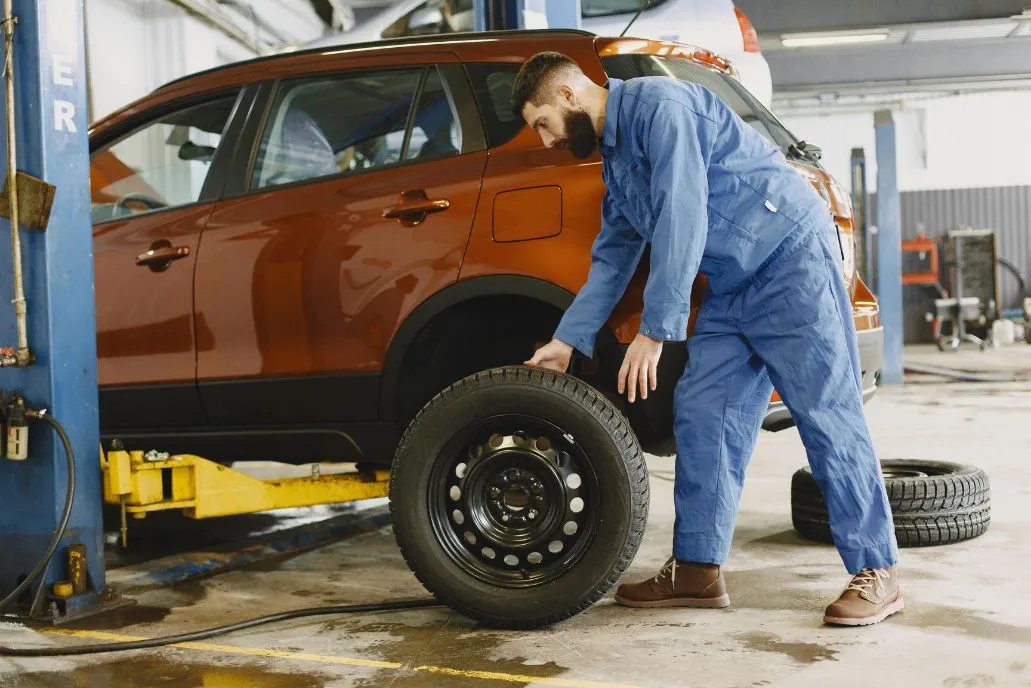
Tire rotation is the process of moving tires from one position on the vehicle to another in order to promote even tread wear. Different vehicles use different rotation patterns depending on drivetrain type, tire design, and manufacturer recommendations.
When tires wear evenly, they generally last longer and perform more consistently. Uneven tire wear can reduce traction, affect steering response, and increase the risk of premature tire replacement.
Most manufacturers recommend tire rotation every 5,000 to 7,500 miles. Many drivers choose to rotate their tires during routine oil changes to stay on schedule more easily.
Common benefits of regular tire rotation include:
Driving conditions in Minneapolis can be tough on tires due to potholes, snow, and temperature changes. For official tire safety recommendations, you can refer to NHTSA tire safety guidelines .

The recommended tire rotation interval depends on driving habits, vehicle type, and road conditions. However, most vehicles fall within the following range:
AWD vehicles are especially sensitive to uneven tire wear because differences in tire diameter can place additional stress on drivetrain components. Regular rotation helps maintain even tread depth and reduces unnecessary strain.
Drivers who frequently encounter potholes, rough roads, heavy traffic, or severe winter conditions may benefit from more frequent tire inspections and maintenance.
Tire rotation patterns vary depending on the vehicle configuration and tire type. Using the correct pattern helps ensure balanced wear and proper performance.
Following the proper rotation pattern is important because incorrect rotation can lead to accelerated wear or reduced handling performance.
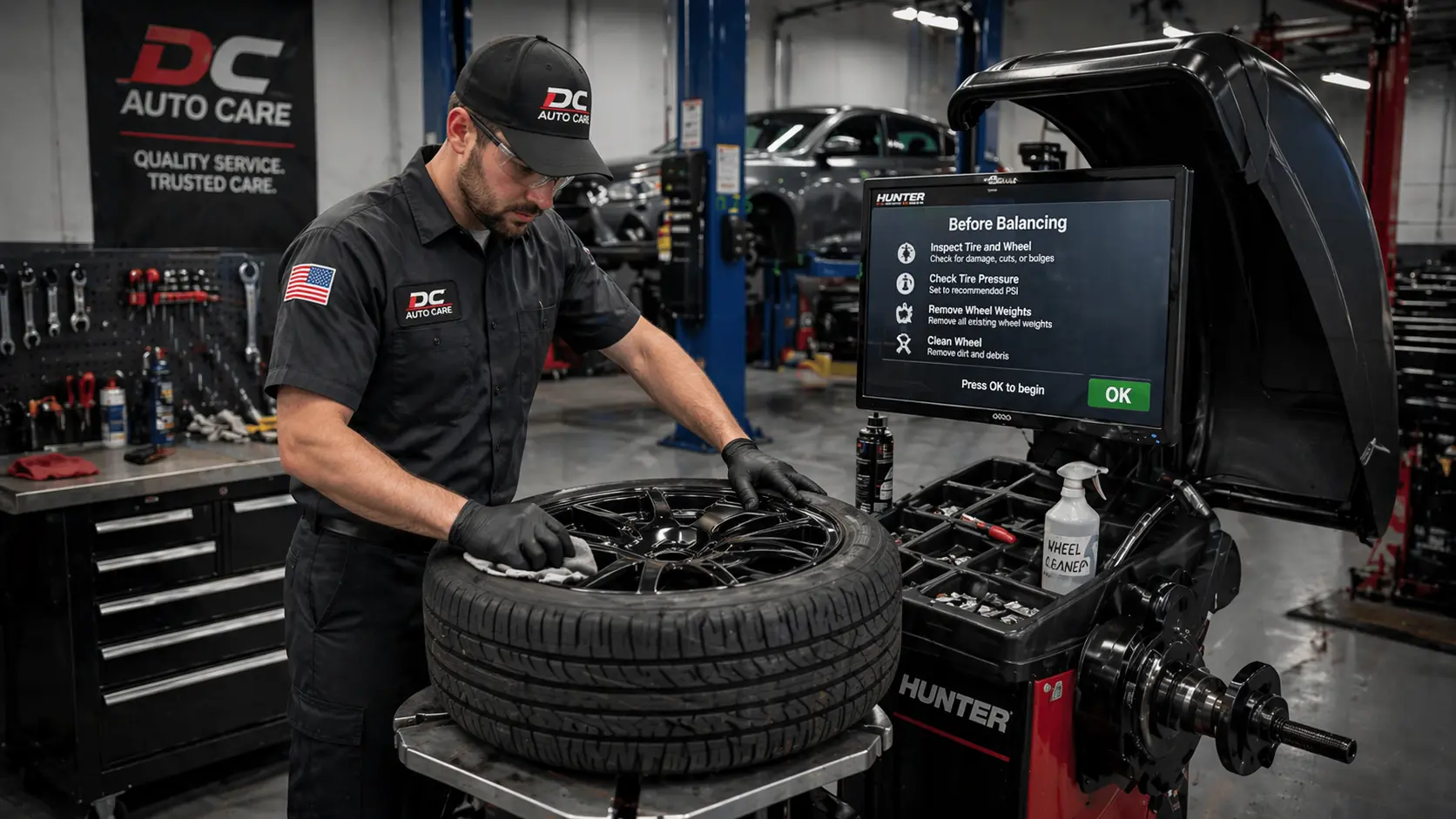
Wheel balancing corrects uneven weight distribution in a tire and wheel assembly. Even a slight imbalance can create noticeable vibration at higher speeds and contribute to uneven tire wear over time.
During balancing, specialized equipment identifies heavier or lighter areas within the wheel assembly. Small weights are then attached to balance the wheel evenly.
Common signs of wheel imbalance include:
Wheel balancing is often performed together with tire rotation because both services contribute to smoother driving and improved tire performance.
These three services are commonly confused, but each addresses a different issue:
Alignment problems can cause a vehicle to pull to one side or wear tires unevenly. Minneapolis roads and potholes can affect alignment over time, making periodic inspections important.
There are several warning signs that may indicate the need for tire rotation, balancing, or inspection:
Addressing these symptoms early can help prevent additional tire and suspension issues while improving overall driving comfort.
Minneapolis weather conditions can have a major impact on tire performance and longevity. Cold temperatures reduce tire pressure, while snow, ice, and road salt increase stress on tire rubber and suspension systems.
Potholes caused by freezing and thawing cycles can also contribute to wheel imbalance and alignment issues. Drivers who regularly travel during winter conditions should monitor tire pressure, tread depth, and overall tire condition more frequently.
Vehicles equipped with winter tires should follow separate maintenance schedules to ensure even wear throughout the season.
Driving conditions in Minneapolis can affect more than just tires. Cold weather also impacts engine performance and oil behavior, especially during winter starts. Learn more about cold weather engine oil tips.
Yes. Tires that wear unevenly create additional rolling resistance, forcing the engine to work harder during acceleration and highway driving. Properly rotated and balanced tires roll more evenly and can contribute to improved fuel economy over time.
While the improvement may seem small on a daily basis, consistent tire maintenance can help reduce fuel costs over the lifespan of the vehicle.
Some vehicle owners choose to rotate their own tires at home, but the process requires proper lifting equipment, torque specifications, and knowledge of the correct rotation pattern.
Improper lifting procedures or incorrectly tightened lug nuts can create serious safety risks. Professional tire service also allows technicians to inspect tires, brakes, suspension components, and wheel condition during the process.
DC Auto Care provides tire rotation and wheel balancing services for a wide range of vehicles, including cars, SUVs, trucks, AWD vehicles, and commercial vehicles throughout Minneapolis.
During tire service appointments, technicians inspect tread wear, tire condition, and wheel balance to help drivers better understand the condition of their tires and identify potential issues early.
For questions about tire maintenance or to schedule service, contact:
DC Auto Care
3001 Central Ave NE
Minneapolis, MN
Phone: (612) 367-4055
Email: DCAUTOCAREMPLS@GMAIL.COM
Regular tire maintenance can help improve safety, extend tire lifespan, and maintain better vehicle performance throughout Minneapolis driving conditions.